
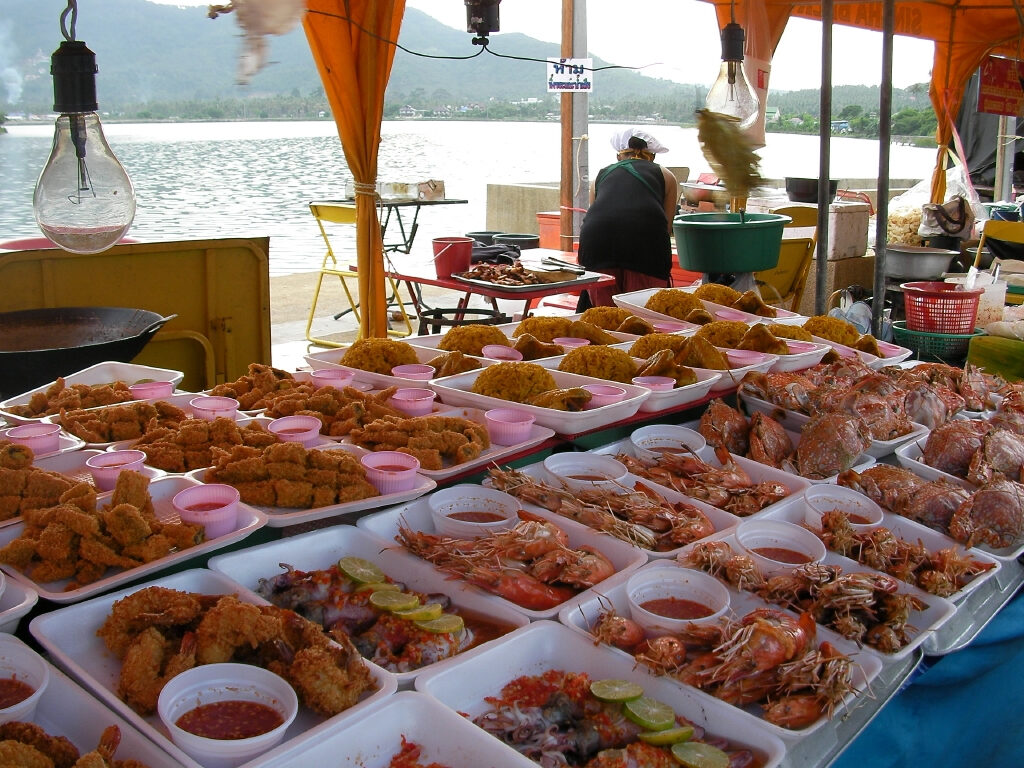
European Tourist’s 700-Baht Samui Breakfast Stirs Price Debate
KOH SAMUI, Thailand — A viral social media post by a European tourist detailing a 700-baht breakfast bill in Koh Samui has ignited a widespread debate over the rising cost of dining and the changing economic landscape of Thailand’s premier island destinations. The online discourse has drawn attention from travelers, expatriates, and locals alike, highlighting growing concerns over tourism inflation in the southern province of Surat Thani.
Amazing Grilled Chicken Served By Beautiful Thai Lady
The controversy began after the visitor shared a breakdown of their morning meal at a popular beachfront cafe, which totaled approximately 20 US dollars. While the exact menu items varied in the online discussion, the sheer total shocked many netizens who recalled a time when such a meal would cost a fraction of the price. The post quickly gained traction across various travel forums and social media platforms, serving as a flashpoint for broader frustrations regarding the increasing expense of visiting the Kingdom.
The ensuing online debate has largely centered on the stark contrast between local living costs and the premium prices charged in heavily touristed areas. Many commenters argued that establishments in Koh Samui, particularly those located in high-traffic zones like Chaweng and Bophut, have significantly inflated their menus to capitalize on foreign visitors. Critics of the pricing structure describe it as a dual-economy system where tourists are routinely charged exorbitant rates for basic goods and services, fundamentally altering the island’s traditional appeal as a budget-friendly destination.
Conversely, hospitality industry observers and local business advocates point to the unique economic challenges of operating on an island. They note that the logistical costs of transporting goods via ferry, combined with high commercial rents in prime beachfront locations, inevitably drive up the overhead for food and beverage establishments. Furthermore, many cafes in Koh Samui have repositioned themselves as premium lifestyle destinations, offering ambiance, imported ingredients, and international standards that justify a higher price point to their target demographic.
This incident occurs as Thailand’s tourism sector attempts to navigate a delicate transition from a mass-market, budget-friendly destination to a hub for high-value, quality tourism. Authorities have long promoted the country’s affordability as a key draw, but recent global inflation and a strategic pivot toward luxury and premium experiences have led to noticeable price hikes in major tourist hubs. The viral breakfast bill underscores the friction between the traditional backpacker image of Thailand and its modern reality as a premium global destination.
Five Indians and One Burger: Viral Clip Shows New Low for ‘Cheap Charlie’ Tourists
As the conversation continues to circulate online, travel agencies and local tourism boards are monitoring the sentiment to gauge visitor satisfaction and spending habits. The discourse serves as a reminder of the delicate balance required to maintain Thailand’s competitive edge in the global tourism market while ensuring sustainable profitability for local businesses.