
Pattaya’s ‘Hairy’ Croissant Ignites Global Culinary Debate
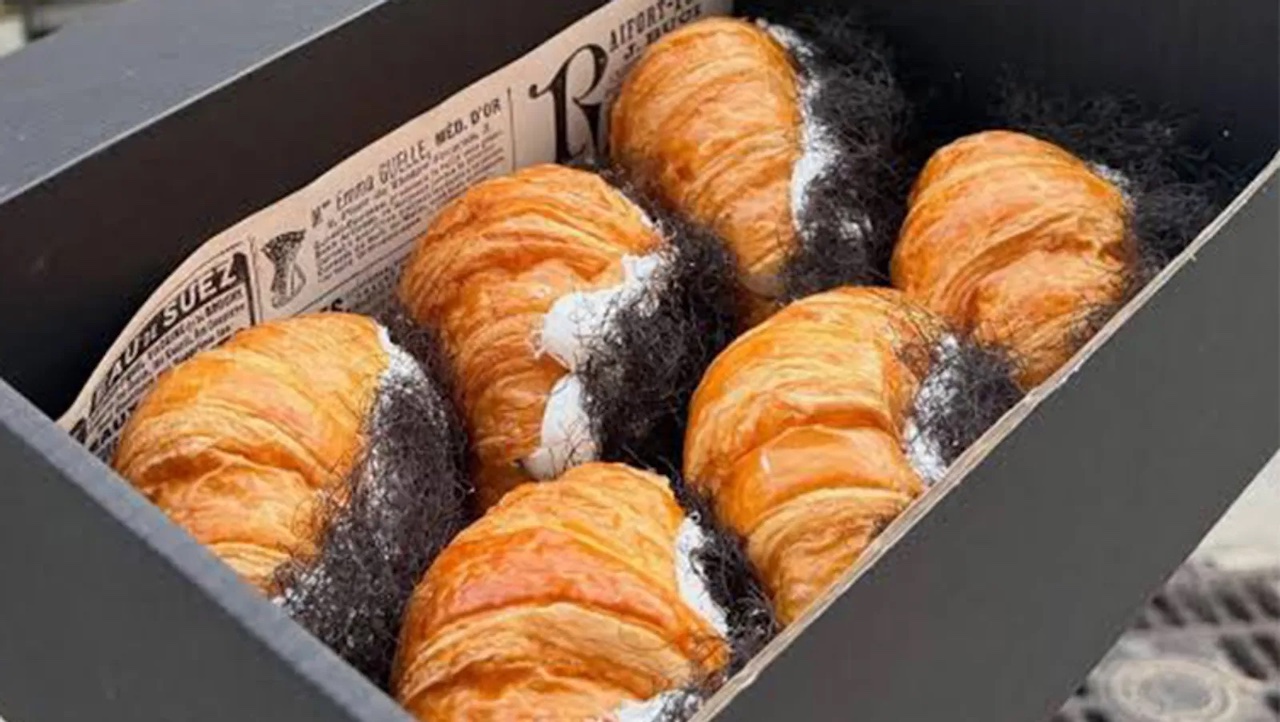
PATTAYA, Thailand — A popular bakery in the seaside resort city of Pattaya has ignited a firestorm of controversy on social media after unveiling a croissant topped with black, hair-like strands designed to resemble pubic hair. The unconventional pastry has gone viral, drawing sharp criticism from some quarters while earning praise from others for its audacious creativity.
European Tourist’s 700-Baht Samui Breakfast Stirs Price Debate
Saiwan Bakehous, a well-established bakery known for its diverse range of croissants and pastries, has become a favorite destination for both locals and tourists visiting the coastal city. The proprietor, Arthit Chomsawat, explained that the provocative creation was inspired by a previous novelty item—a “hairy cake”—that had garnered significant popularity among customers. The distinctive topping was crafted from fat choy, a black edible algae commonly used in Asian cuisine, which was arranged to mimic the appearance of hair.
The croissant quickly captured widespread attention across Thai social media platforms, where it sparked a deeply divided response from the online community. Critics condemned the design as disrespectful to France, the birthplace of the croissant, arguing that culinary innovation should be expressed with greater sensitivity and taste. Many voiced concerns that such creations trivialize traditional French baking heritage and could damage the reputation of Thai bakeries on the international stage.
Conversely, supporters of the bakery defended the pastry as a harmless, light-hearted joke, applauding Saiwan Bakehous for its boldness and originality. These defenders argued that the creation was simply a form of artistic expression and humor, intended to entertain rather than offend, and that it showcased the bakery’s willingness to push creative boundaries in a competitive market.
The controversy has transcended Thailand’s borders, attracting international media attention. The French-based outlet Prisme reported on the trending pastry, prompting further discussion among global online audiences about the limits of culinary creativity and cultural respect. The international coverage has amplified the debate, with commentators from various countries weighing in on whether such novelty items represent innovative marketing or inappropriate provocation.
Koh Phangan restaurant displays the sign ‘No Israel tourists’
As the discussion continues to unfold online, the incident raises broader questions about the intersection of food, art, and cultural sensitivity in an increasingly connected world. Bakery owners and culinary entrepreneurs worldwide are observing the situation as they navigate the delicate balance between innovation and tradition in their own establishments.